
Industrial Screw Conveyors Engineered for Heavy-Duty Applications
Industrial facilities rely on dependable material handling systems to keep production efficient and minimize interruptions. When bulk materials need to be moved through harsh operating environments, an industrial screw conveyor provides a proven method of transportation. However, the right conveyor system depends on more than simply moving material from one point to another. Factors such as material composition, temperature, throughput requirements, and available space all influence how the equipment should be designed.
Since 1927, Materials Handling Equipment (MHE) has manufactured industrial conveyor systems for industries that require durable, dependable equipment. Rather than adapting a standard design to an application, MHE develops conveyor solutions based on the specific needs of each facility.
What Are Industrial Screw Conveyors?
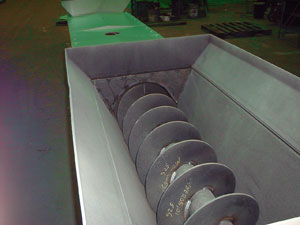
An industrial screw conveyor uses a rotating screw, also called flighting, housed within a trough or tube to move bulk materials. As the screw turns, it pushes material through the conveyor, making it an effective option for transporting products across horizontal or inclined distances.
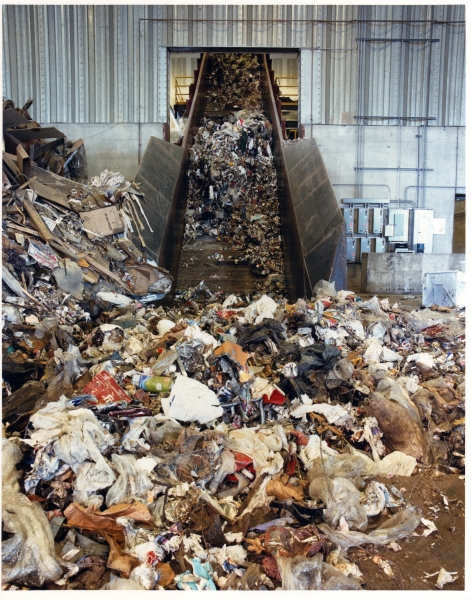
Because of their versatility and rugged design, screw conveyors are widely used in industries that handle abrasive, dense, or difficult-to-process materials. Common applications include ash handling, waste processing, powders, aggregates, and other bulk material operations.
Unlike standard conveying equipment, industrial screw conveyors are built for continuous operation in applications where durability and consistent material flow are essential.
Built for Abrasive, Corrosive, and High-Temperature Environments
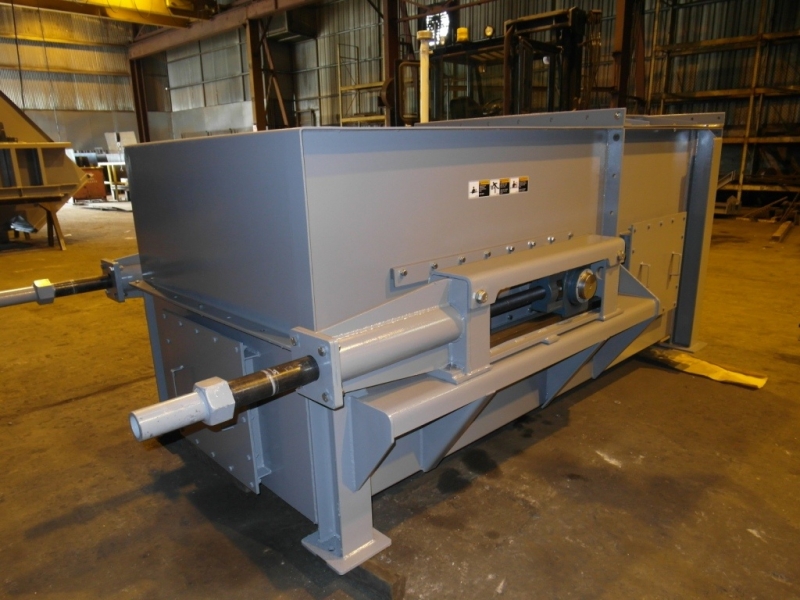
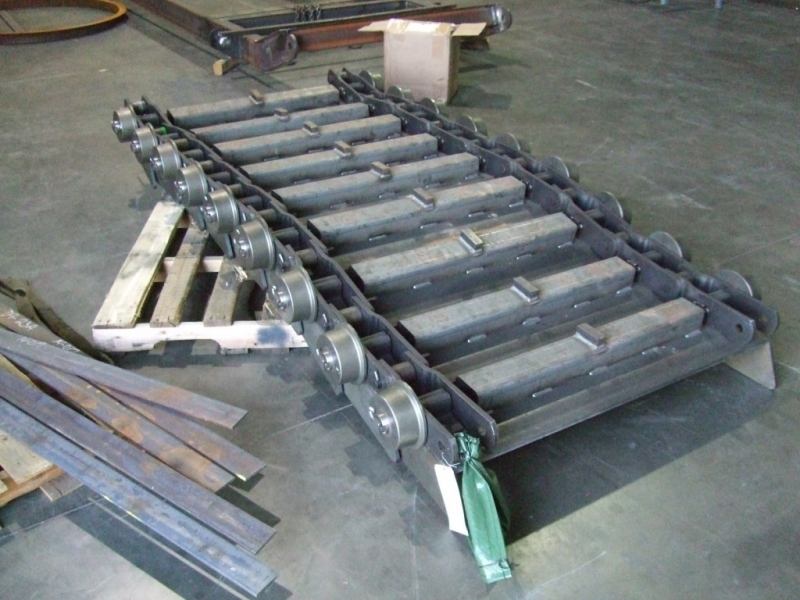
Industrial conveying equipment must withstand the conditions it operates in. MHE manufactures screw conveyors using components selected to provide dependable service in some of the toughest material handling environments.
Our screw conveyors are built to handle:
-
Highly abrasive materials
-
Corrosive operating conditions
-
Extreme temperatures
-
Continuous industrial use
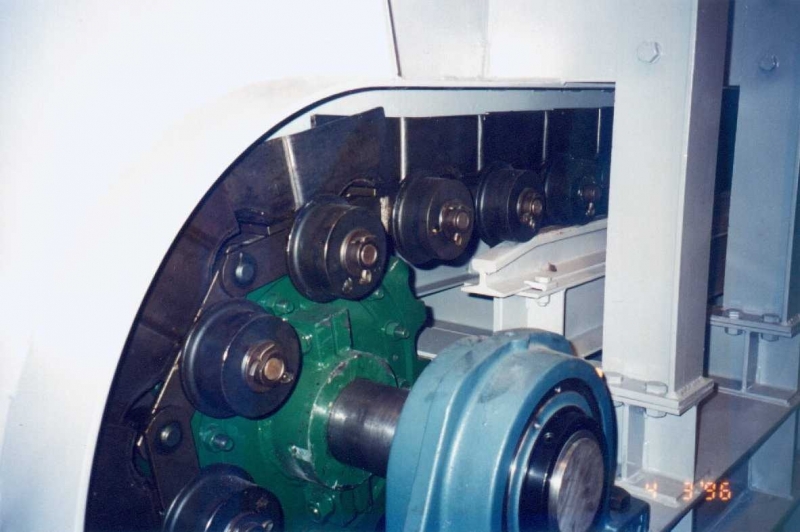
To support these applications, MHE incorporates features such as wear-resistant alloys, custom drives, and heavy-duty Ni-Hard bearings. These components help reduce wear, improve durability, and extend equipment life in demanding environments.
MHE industrial screw conveyors are available with capabilities including:
-
Lengths up to 300 feet
-
Capacities up to 300 tons per hour
-
Operating temperatures up to 2,200 degrees Fahrenheit
From ash handling systems to other specialized bulk material applications, MHE can manufacture a screw conveyor suited to your process.
Custom Screw Conveyor Manufacturing
Every material handling operation has different requirements. A conveyor system that performs well in one facility may not provide the same results in another. That is why MHE approaches each project with a focus on application-specific engineering.
During the design process, our engineers evaluate factors such as:
-
Material characteristics
-
Required production rates
-
Operating environment
-
Installation requirements
-
System integration
-
Service and maintenance needs
By considering these details from the beginning, MHE can develop a screw conveyor that works effectively within your existing operation and supports your production goals.
Industrial Screw Conveyor Options
MHE manufactures a variety of screw conveyor styles to accommodate different materials and operating conditions. Available configurations include:
-
Sectional screw conveyors
-
Ribbon screw conveyors
-
Shaftless screw conveyors
-
Hardfacing screw conveyors
-
Double flighting screw conveyors
-
Cut-and-fold screw conveyors
-
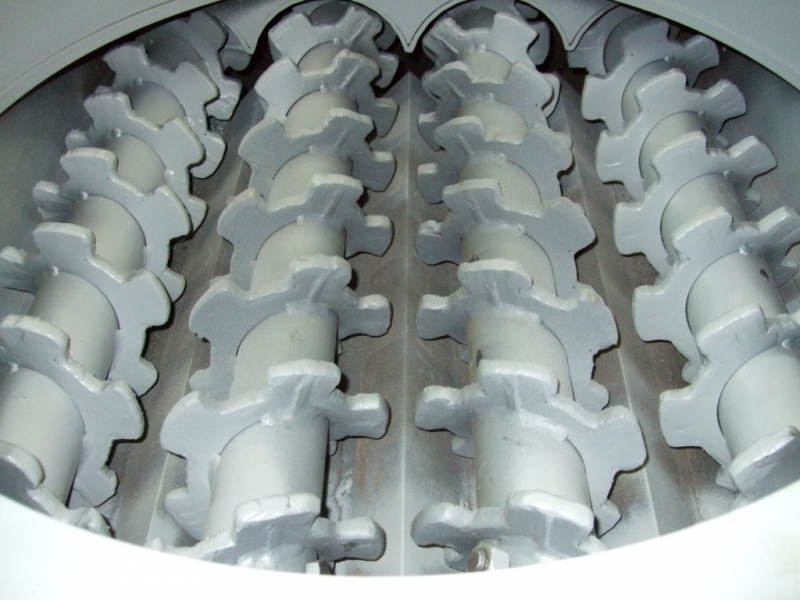
Serrated screw conveyors
Each design offers specific advantages depending on the application. MHE works with customers to determine which configuration provides the best combination of durability, efficiency, and service life.
Advantages of Choosing a Custom Industrial Screw Conveyor
Selecting the right conveyor system can have a direct impact on productivity, maintenance requirements, and overall operating costs. A properly engineered screw conveyor can provide benefits such as:
-
Consistent material movement
-
Reduced equipment wear
-
Improved system efficiency
-
Fewer unexpected interruptions
-
Easier access for maintenance and service
With a custom-built conveyor, the equipment is developed to meet the requirements of your facility instead of forcing your process to accommodate a standard design.
The Trusted Screw Conveyor Manufacturer
For nearly 100 years, MHE has helped industries solve complex material handling challenges through thoughtful engineering and quality manufacturing. Our experience allows us to produce conveyor systems capable of handling some of the most demanding applications.
Many MHE conveyors continue operating more than 50 years after installation, demonstrating the durability built into our equipment.
MHE also played a role in developing standards established by the Conveyor Equipment Manufacturers Association (CEMA), helping advance practices throughout the conveyor industry.
When you partner with MHE, you will be working with a manufacturer that understands the importance of equipment reliability, responsive support, and solutions that match the realities of your operation.
Work With MHE on Your Screw Conveyor Project
When your facility needs a screw conveyor built for challenging conditions, MHE provides the engineering expertise and manufacturing experience needed to develop the right solution. Our team works closely with customers to create equipment that supports reliable material handling for years to come.
Contact Materials Handling Equipment today to schedule a consultation and learn more about our industrial screw conveyor capabilities.
Frequently Asked Questions
What materials can screw conveyors handle?
Industrial screw conveyors can transport a wide range of bulk materials, including ash, waste products, powders, aggregates, and other materials used in industries such as cement, steel, energy, mining, and specialty chemical processing. The ideal conveyor design depends on the material properties and operating conditions.
What maintenance is required for an industrial screw conveyor?
Maintenance requirements vary based on the application and materials being conveyed. Routine inspections, lubrication, and monitoring of wear components can help identify issues early and maximize equipment service life.
What factors affect the cost of an industrial screw conveyor?
The cost of an industrial screw conveyor depends on the requirements of the application. Factors such as conveyor length, capacity, construction materials, operating temperature, and specialized components all influence the final design. Applications involving extreme conditions may require additional engineering or wear-resistant materials.
How long does an industrial screw conveyor typically last?
The material being handled, operating environment, and maintenance practices all influence the lifespan of a screw conveyor. When properly engineered and manufactured, a heavy-duty screw conveyor can provide reliable service for decades. Many MHE conveyors have remained in operation for more than 50 years.