

Chemical handling requires not only precision but also safety measures that protect both workers and materials. This is because the unique properties and characteristics of different chemicals require specialized handling to prevent accidents, spills, and exposure. For these reasons, custom chemical conveyors are meticulously designed to minimize the risk of accidents and enhance overall safety. Investing in custom conveyors not only mitigates potential dangers but also demonstrates a commitment to compliance with safety regulations.
Types of Conveyors for Chemical Handling
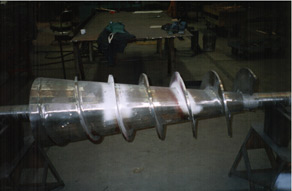
A variety of custom conveyors are commonly used for chemical handling, including screw conveyors, bucket elevators, drag conveyors, and apron conveyors. Chemical-resistant conveyors are designed to withstand exposure to corrosive substances. They are constructed with materials that resist degradation, ensuring durability and longevity. These conveyors are ideal for transporting chemicals safely within a facility.
Sealed conveyors are also commonly used for chemicals, as they provide an additional layer of protection by preventing the escape of hazardous materials. These conveyors are tightly sealed to contain any potential leaks, minimizing the risk of exposure. They are crucial for handling volatile substances securely.
Benefits of Customized Conveyors for Chemical Applications
Some of the key benefits custom conveyors offer for the chemical-handling process include:
Enhanced Safety
Conveyor customization allows for precise adaptation to the specific requirements of chemical processes. This ensures that materials are transported securely, minimizing the risk of accidents and exposure. This isn’t possible with “cookie-cutter” conveyors.
Tailored Solutions
One size does not fit all in chemical handling. Custom conveyors can be tailored to the unique needs of your operations, ensuring efficiency and safety at every step of the process.
Compliance With Regulations
Using customized conveyors ensures compliance with chemical industry regulations and standards.
Proper Component Selection
It’s essential that the application is studied carefully and communication with the user about the characteristics of the material be well known.
Offering Custom Chemical Conveyors Since 1927
Materials Handling Equipment has become a leader in custom conveyor manufacturing by providing tailored solutions that ensure safety and efficiency. When you partner with us, we’ll collaborate with your chemical engineers through every part of the process—from design to installation to service. Our engineers can determine the right components to be used, as our special alloys are critical to ensure a reliable conveyor. Additionally, our conveyors are completely custom, which means your new chemical conveyor will fit your plant perfectly without any modifications.
Contact Materials Handling Equipment today to schedule an initial consultation with our team.
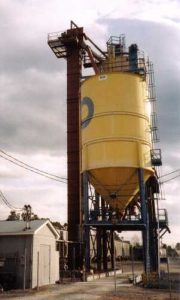 The agricultural industry relies heavily on industrial conveyors which, when used effectively, can optimize efficiency and ensure seamless operations. These conveyors can streamline the complex processes involved in handling, transporting, and processing crops. From the initial stages of planting and harvesting to the subsequent sorting, cleaning, and packaging, conveyors provide a continuous and controlled movement of agricultural goods.
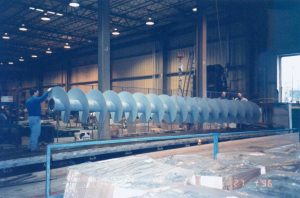 In the world of industrial material handling, the choice between custom conveyors and off-the-shelf options can significantly impact long-term costs and operational efficiency. While you may save some time by choosing a ready-made conveyor for your plant, that’s where the benefits end, and you could be making a decision that will negatively impact your company’s productivity and flexibility.
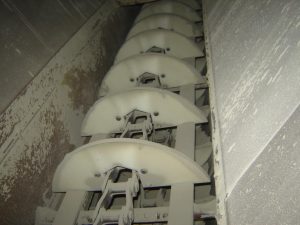 In the ever-evolving landscape of material handling, technological advancements have reshaped the industry, with robotics playing a pivotal role. However, while robotics has greatly impacted material handling in general, there are still applications for which traditional conveyor systems are better suited. Let’s explore the benefits and limitations of robotics when it comes to material handling.
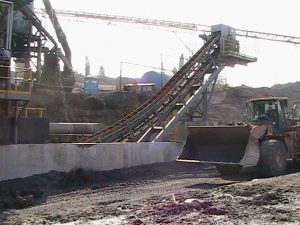 In the hectic world of industrial operations, efficiency is vital. The never-ending quest for increased productivity has paved the way for innovative solutions, and heavy-duty industrial conveyors have played a notable role. Material handling equipment has become an indispensable tool used by a wide array of industries, offering important benefits that elevate operational efficiency to new heights.
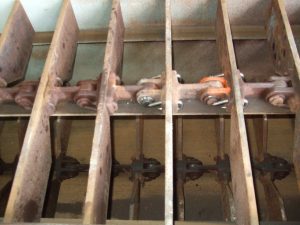 Drag conveyors and screw conveyors are popular options for bulk material handling in a variety of industries, and while both might be able to accomplish a company’s goals, they’re not always interchangeable options. Drag conveyors and screw conveyors both offer advantages and disadvantages, and often the best option depends on the type of material being moved.
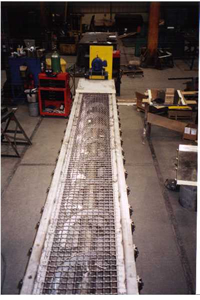 While you’re trying to choose between a drag conveyor and a screw conveyor for your plant, there’s one decision that should be easy. Materials Handling Equipment is the wise choice for any type of industrial conveyor, as we’ve been perfecting our manufacturing process since 1927. While many conveyor manufacturers offer standard models that lack modification, we deliver multiple types of screw and drag conveyors that are customized to meet the specific needs of our clients.
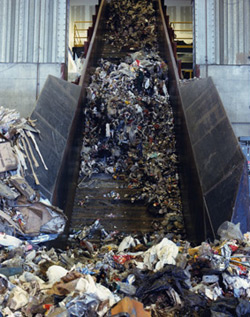 There are plenty of options when it comes to conveyors for bulk material, and two of the most common are belt conveyors and apron conveyors. Both of these conveyor categories offer advantages and drawbacks, and if you’re trying to decide which will best fit your company’s needs, there are plenty of questions that you need to ask. Materials Handling Equipment (MHE) has been manufacturing heavy-duty conveyors for some of the largest industrial companies in the U.S. since 1927, so we’re uniquely qualified to compare and contrast these two options.
 What Is a Screw Conveyor?